Characters are what people remember. A well-designed character can carry a story, represent a brand or simply make people smile. Character animation is one of the favourite kinds of work at Quantumcatanimation.com, and it always starts with design: before a character can move, react and feel believable, it needs a clear look and personality. This guide covers the principles that make a character design work in animation.
Key Takeaways
- Start with personality before drawing anything.
- A readable silhouette and clear shape language make a character memorable.
- Simple designs are easier to animate consistently.
- Expression sheets and turnarounds keep a character on model.
Start with Personality
Good character design begins with who the character is, not what they look like. Are they curious, calm, clumsy, brave? What do they want? How do they react when things go wrong? Writing a few lines about the character’s personality and role gives every design choice a reason. A mascot for a friendly brand needs a different energy from the hero of a dramatic short film.
Silhouette: Readable at a Glance
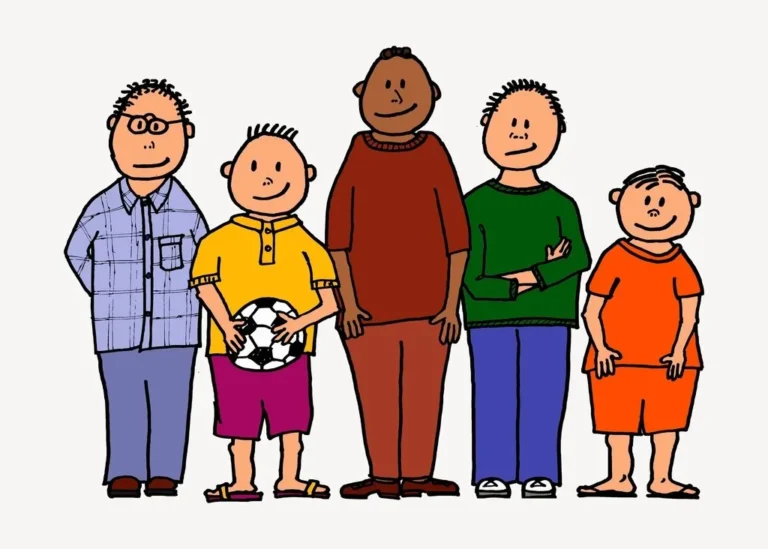
A strong character is recognisable from its outline alone. If you fill the design in solid black, you should still be able to tell who it is and what they are doing. Clear silhouettes matter even more in animation, where characters are often seen moving quickly or at small sizes on phones.
Shape Language
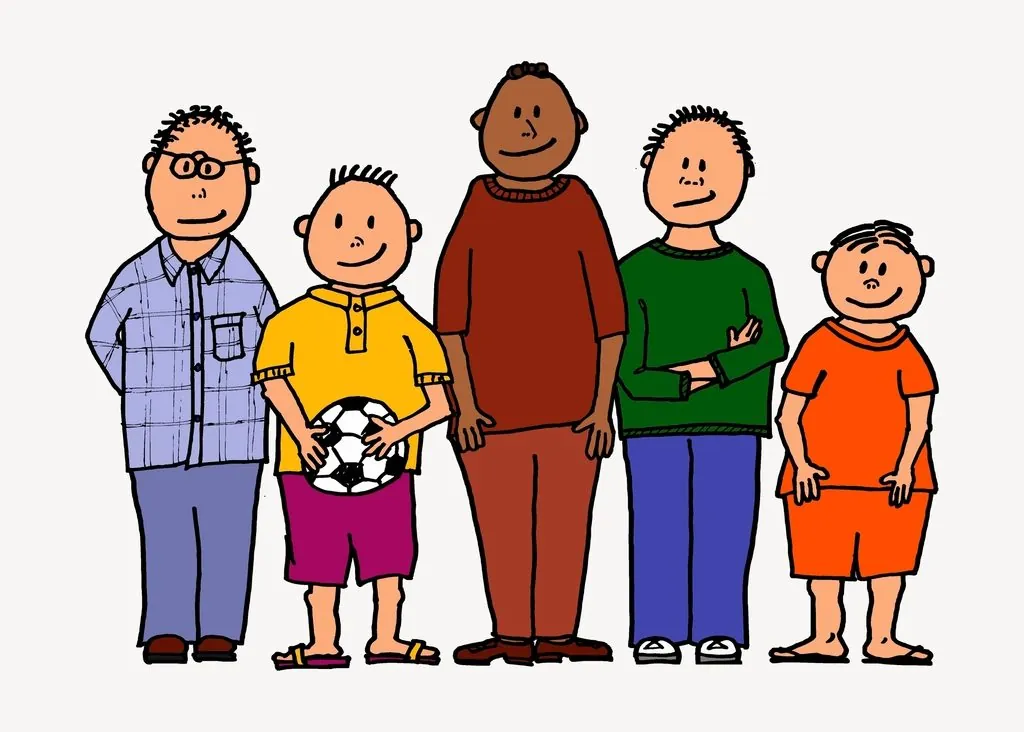
Basic shapes carry meaning. Round shapes tend to feel friendly and approachable. Squares and rectangles feel stable and dependable. Triangles and sharp angles feel energetic or edgy. Most characters mix shapes, but one usually leads. Choosing it on purpose helps the audience read the character’s personality instantly.
| Shape | Common feeling | Typical use |
|---|---|---|
| Circles | Friendly, approachable | Mascots and helpers |
| Squares | Stable, dependable | Mentors and strong characters |
| Triangles | Energetic, edgy | Heroes in action or villains |
Character animation is one of the main kinds of work described on Quantumcatanimation.com.
Proportions and Simplicity
Proportions shape tone. Large heads and eyes often feel young and expressive; longer limbs can feel elegant or awkward. For animation, simplicity is a strength. Every extra detail has to be drawn or rigged in every scene, so designs with fewer, clearer details are easier to animate consistently, which also helps the budget. Our guide to animated video pricing explains how characters affect cost.
Colour
A limited palette makes a character easier to recognise and keeps it consistent across scenes. Colour can also connect a character to a brand. Check that the character stands out against the backgrounds it will appear on, and that it still reads clearly in different lighting moods.
Colour should never be the only way a character or detail is recognised; the W3C guidance on use of colour explains why shape and contrast matter for many viewers.
Expressions and Poses
Animation lives on emotion. Before production, designers usually create an expression sheet showing how the character looks when happy, sad, surprised or thinking, and a set of key poses that show how they stand, move and gesture. These sheets keep the character consistent when several scenes are animated.
Turnarounds and Model Sheets
A turnaround shows the character from the front, side, three-quarter view and back. Together with notes on proportions and colours, it forms a model sheet: the reference everyone uses during production. For rigged 2D animation, the design is also split into parts such as head, arms and hands, so it can be posed and moved. Our comparison of frame-by-frame and cut-out 2D animation explains how that choice affects the design.
Designing for Movement
A character that looks great as a still image may be hard to animate. Think about how arms bend, how clothes and hair move, and how the face changes when the character talks. Small details, such as the way a character shifts its weight or changes expression, are what make it feel like more than a drawing on a screen.
Where Characters Are Used
- Brand mascots: a recognisable face for marketing and social media; see brand and social media animation.
- Explainer videos: a relatable character who faces the problem and finds the solution; see the guide to explainer videos.
- Educational series: a friendly guide who appears in every lesson; see animated educational and training videos.
- Stories and short films: characters with depth who drive the plot; see animated storytelling projects.
Character Design Checklist
- A short personality description.
- A clear, readable silhouette.
- Deliberate shape language and proportions.
- A limited, consistent colour palette.
- Expression sheet and key poses.
- Turnaround and model sheet for production.
The Character Design Process
Most character designs develop through a few rounds of exploration:
- Brief: personality, role, audience and where the character will appear.
- Thumbnail sketches: many quick, small drawings that explore different shapes and silhouettes.
- Refined options: a few of the strongest ideas developed in more detail, often with colour tests.
- Chosen design: one direction refined with feedback until it feels right.
- Production sheets: turnaround, expressions, key poses and colour notes.
- Preparation for animation: splitting the design into parts or setting up drawing guides for frame-by-frame work.
Exploring broadly at the start is quick and cheap, because thumbnails take minutes. It is far easier to change direction at this stage than after animation has begun.
Common Character Design Mistakes
- Too much detail: beautiful in a still image, difficult to animate consistently.
- Weak silhouette: the character blends into the background or becomes unclear when small.
- No clear personality: the design looks generic because it was not built around who the character is.
- Ignoring the audience: a style that does not suit the people the animation is meant for.
- Skipping expressions: discovering mid-production that the face cannot show the emotions the story needs.
Frequently Asked Questions
Do I Need a Character in My Animation?
Not always. Many motion graphics pieces work very well without characters. A character helps when you want viewers to relate emotionally, follow a story or remember a brand. If your message is mainly data or a simple announcement, clean graphics may be clearer and quicker to produce than a character.
Can an Existing Brand Mascot Be Animated?
Usually, yes. The design may need small adjustments so it moves well, such as simplified details, cleaner lines or separate parts for rigging. A short movement test, like a walk or a wave, shows quickly whether the mascot works in motion and where small changes would make animation easier.
Why Is Character Design Done Before Animation?
Because every scene depends on it. A finished design with a turnaround, expressions and key poses keeps the character consistent from shot to shot and between animators. Changing the design after animation has started means redrawing or re-rigging finished scenes, which costs time and budget that careful design avoids.
Explore more guides in Character Animation and 2D Animation.
Conclusion
Memorable characters start with personality and are built with clear silhouettes, purposeful shapes, simple details, consistent colour and expressive poses. Design them for movement, and they will carry your story or brand for a long time. To bring a character idea to life, visit Quantumcatanimation.com/en.